
Understanding the actuarial variables involved in calculating auto insurance premiums in Texas is essential for any policyholder aiming to optimize their annual expenditure. Texas utilizes a file-and-use rating system, allowing insurance carriers to set competitive prices based on sophisticated risk assessment models. Whether you are operating a vehicle in the high-traffic corridors of Houston, Dallas, or Austin, the methodology behind premium determination remains a complex interplay of personal demographics and regional risk data. This professional analysis explores how these rates are structured in Texas, USA, and how they compare to other premium markets like Ontario, Canada or Sydney, Australia.
Strategic Factors in Calculating Auto Insurance Premiums in Texas
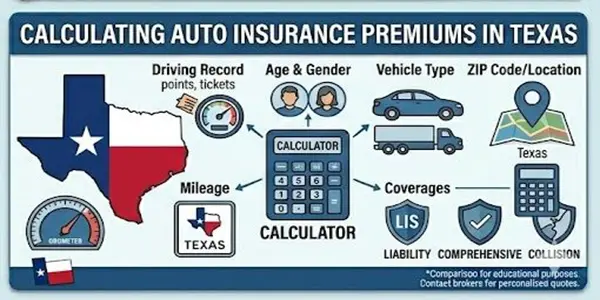
When calculating auto insurance premiums in Texas, insurers primarily focus on the probability of a claim occurrence. The state’s unique geographic and legal landscape means that factors such as weather patterns and liability limits play a larger role here than in markets like Hong Kong. Professional underwriters evaluate dozens of data points to reach a final quote, ensuring that the premium accurately reflects the risk of the individual driver and the vehicle itself.
Actuarial Variables and Risk Assessment Models
To perform an accurate car insurance premium comparison, one must understand the core components that Texas insurers prioritize during the underwriting process. These variables are consistently monitored to maintain the financial stability of the insurance pool.
- Credit-Based Insurance Scores: In Texas, your credit history is a major determinant in calculating auto insurance premiums. Statistical data shows a high correlation between credit health and claim frequency.
- Driving Record and Claims History: Much like in Sydney or California, a history of moving violations or at-fault accidents will result in a significant premium surcharge.
- Vehicle Safety Ratings: Cars equipped with advanced driver-assistance systems (ADAS) often qualify for discounts, reducing the overall calculated premium.
Regional Influences on Premium Calculation
Geography is a non-negotiable factor when calculating auto insurance premiums in Texas. The cost of coverage can fluctuate significantly between different zip codes within the same city.
| Texas Regional Factor | Impact on Premium Calculation |
|---|---|
| Urban Congestion (e.g., Dallas/Fort Worth) | Higher premiums due to increased frequency of collisions and theft. |
| Weather Risk (Hail/Flooding) | Increased cost for comprehensive coverage in regions prone to severe storms. |
Maximizing Discounts and Rate Optimization
A professional approach to calculating auto insurance premiums in Texas involves leveraging every available discount to lower the base rate. Strategic policyholders often combine multiple strategies to achieve the most competitive pricing available in the 2026 market.
- Multi-Policy Bundling: Combining auto insurance with homeowners or renters insurance is a proven method to reduce costs in the US and Ontario markets.
- Defensive Driving Courses: Completing a TEA-approved course can provide a mandatory discount on the liability portion of your premium.
- High-Deductible Strategies: Choosing a higher out-of-pocket deductible is a global standard for reducing fixed monthly expenses in California and Australia.
Maintaining Accuracy in Premium Estimates
The process of calculating auto insurance premiums in Texas is more transparent than ever thanks to digital quote engines. However, the final premium is only as accurate as the data provided. Ensuring that your annual mileage, garaging location, and driver list are updated is crucial for maintaining a valid policy. By understanding these professional rating factors, Texas drivers can secure elite protection that rivals the standards of Hong Kong Central while maintaining financial efficiency. In the competitive landscape of 2026, being an informed consumer is the most effective way to navigate the complexities of the American insurance industry.